Problem 1 (10 points) Across and down This problem deals with all sorts of mostly physical terms.
Solve the following crossword puzzle and find the sought solution word. Across: 1 English abbreviation for scanning tunneling microscopy 4 Abbreviation for a laser diode emitting perpendicular to the surface 8 Chemical element that sounds similar to a Danish physicist 9 Made with hypotheses 12 Abbreviation for near infrared 16 Very large mammal 17 Device for converting medium-wave frequencies into sound 18 Length x width 20 Collection of weakly interacting particles 21 Graphical interpretation of the derivative of a curve 24 Time rate of change of ➞25 25 Read off a speedometer 30 Term for the mean distance of the Earth from the Sun 32 Name, going back to three people, of a paradox of quantum mechanics 34 One of the terminals of a transistor 36 about 86 400 s 37 Sum of the internal energy of a system and the product of pressure and volume 40 Modern stargazer 43 Unit of illuminance 44 The efficiency is a measure of this 45 Physicist around 1800, namesake of a lens shape 46 unit of measurement found on beakers 47 Point in space 48 Locomotion with slippage 49 Abbreviation for a form of X-ray spectroscopy 50 Chaining of processes that can be used, for example, to amplify a signal 53 Term for a non-crystalline solid, which applies for example to glass 54 Short for memory cards, e.g. in cameras 55 ➞18 x height 58 Alkali metal with only one stable isotope 59 States described by the Schrödinger equation 63 Intrinsic angular momentum of elementary particles 65 Small amount of a material to be examined 67 Not very precise 70 Time interval between two relative solar zenith maxima 71 Quantity used in room acoustics for the reverberation time, also a fragrant water 72 Repetition 73 Used to measure ➞36 75 ➞44 compares the portion of this kind with the total energy expenditure 77 Body with the smallest ratio of surface area to volume 78 Between peta and zetta Down: 1 Transmitter of tensile forces 2 Consists of several atoms 3 Particle detector at CERN 4 Coupling of two states of ➞59 5 Element with whose help the second is defined 6 English abbreviation for standard deviation 7 indefinite, going to infinity 8 Namesake of a method in X-ray scattering 10 ferromagnetic heavy metal, main constituent of steel 11 Chemical element that is named after a Swedish chemist, also abbreviation for a cardinal direction 13 View “onto” or “through” an object 14 Large-scale experiment 15 Number without sign or direction 16 Unit of magnetic flux 19 To really understand something well 20 Occur frequently in physics and in law 22 Property of fundamental vibration modes of a system 23 Radiation-emitting celestial body 26 Vibration varying in time and space 27 Conserved quantity in collisions 28 Cause of changes in motion 29 what a balance should be before use 31 Change between states, in thermodynamics often circular 33 Property of ➞26, also part of a mixture 35 Unit of magnetic flux density also a car brand 38 In this direction lies a pole on the Earth 39 Section of a great circle 41 Common letter for denoting ➞6 or electrical conductivity 42 near-Earth celestial body 51 Unit of current 52 Junction point of conductors in circuits also a unit of speed used in seafaring 56 Physics of radiation and light 57 Home 60 Part in ➞73 also the name of an effect in quantum field theory 61 Required for the distribution of current 62 Now 64 Decided that Pluto is no longer a planet 66 Produced with lenses 68 Control element of a transistor 69 Chemical symbol for a ferromagnetic transition metal 74 Pressure can be given as the rise height of this element 76 Chemical symbol for the element with atomic number 56 Solution word The solution word is formed from the fields with circles in the appropriate order. Sought is a phenomenon for whose explanation a Nobel Prize was awarded long ago. Register now at www.ipho.info for the competition! 1 2 3 4 5 6 7 8 9 10 11 12 13 14 15 16 17 18 19 20 21 22 23 24 25 26 27 28 29 30 31 32 33 34 35 36 37 38 39 40 41 42 43 44 45 46 47 48 49 50 51 52 53 54 55 56 57 58 59 60 61 62 63 64 65 66 67 68 69 70 71 72 73 74 75 76 77 78
Topic: Modern-Quantum Physics Metodi: Physical Modeling Competenze: Physical Reasoning Objects: — Fonte: Testo (PDF) — p.2
Problema 1 (10 punti) Across and down Questo problema riguarda tutti i tipi di termini, soprattutto fisici.
Risolvi il seguente puzzle e trova la parola di soluzione cercata. Across: 1 English abbreviation for scanning tunneling microscopy 4 Abbreviation for a laser diode emitting perpendicular to the surface 8 Elemento chimico che suona simile a un fisico danese 9 Made with hypotheses 12 Abbreviation for near infrared 16 Very large mammal 17 device for converting medium-wave frequencies into sound 18 lunghezza x larghezza 20 Collection of weakly interacting particelle 21 Grafica interpretativa della derivata di una curva 24 Time rate of change of 25 25 Read off a speedometer 30 Term per la distanza media della Terra dal Sole 32 Nome, ritorno a tre persone, di un paradosso di meccanica quantistica 34 Uno dei terminali di un transistor 36 circa 86 400 s 37 Summa dell’energia interna di un sistema e del prodotto di pressione e volume 40 Moderno stargazer 43 Unità di illuminazione 44 L’efficienza è una misura di questo 45 fisico intorno al 1800, nome di un Lens shape 46 unit of measurement found on Beakers 47 Point in space 48 Locomozione con slippage 49 Abbreviation for a form of X-ray spectroscopy 50 Chaining of processes that può essere usato, per esempio, per amplificare un segnale 53 Term for a non-crystalline solid, che si applica ad esempio a glass 54 Short for memory cards, per esempio: in telecamere 55 18 x altezza 58 alcalini metal with only one stable isotope 59 Stati Uniti descritto dall’equazione di Schrödinger 63 65 Small amount of a material to be examined 67 Non molto precise 70 intervallo di tempo between two relative solar zenith maxima 71 Quantity used in room acoustics for the reverberation time, cioè un’acqua fragrante 72 Repetition 73 Used to measure 36 75 44 compares the portion of this kind with the total energy expenditure 77 Body with the smallest ratio of surface area to volume 78 Between peta e zetta Down: 1 trasmettitore di forze tensili 2 Consiste di diversi atomi 3 particellare detettore al CERN 4 accoppiamento di due stati di 59 5 Element with whose help the second is defined 6 English abbreviation for standard deviation 7 indefinite, going to infinity 8 Namesake of a method in X-ray scattering 10 ferromagnetic heavy metal, main constituent of steel 11 Chemical element that è stato chiamato per un chimico svedese, quindi per abbreviare per una direzione cardinale 13 View “onto” o “through” an object 14 Large-scale experiment 15 Number senza segno o direzione 16 unità di flusso magnetico 19 To really understand something well 20 Occur frequently in physics and in law 22 Property of fundamental vibration modes of a system 23 radiation-emitting celestial body 26 Vibrazione variabile in tempo e spazio 27 Conservata quantità in collisioni 28 Causa di cambiamenti in movimento 29 what a balance should be before use 31 Change in termodinamica spesso circolare 33 Property of 26, also part of a mixture 35 Unit of magnetic flux density Quindi un’auto marca 38 In questa direzione si trova un polo sulla Terra 39 Sezione di un grande cerchio 41 lettera comune per denotare 6 o 42 near-Earth celestial body 51 Unit of current 52 Junction point of conductors in circuiti Usato in seafaring 56 Physics of radiation and light 57 Home 60 Part in 73 also the name of an effect in Quantum field theory 61 Required for the distribution of current 62 Now 64 Deciduto che Plutone non è più un pianeta 66 Produced with lenses 68 Control element of a transistor 69 Symbol chimico per un metallo ferromagnetico di transizione 74 Pressure can be given as the rise height of this element 76 Symbol chimico per l’elemento con numero atomico 56 Soluzione La soluzione word è formata dai campi con cerchi nell’ordine appropriato. Cercato è un fenomeno per la cui spiegazione un premio Nobel è stato assegnato molto tempo fa. Registrare ora a www.ipho.info per il La concorrenza! 1 2 3 4 5 6 7 8 9 10 11 12 13 14 15 16 17 18 19 20 21 22 23 24 25 26 27 28 29 30 31 32 33 34 35 36 37 38 39 40 41 42 43 44 45 46 47 48 49 50 51 52 53 54 55 56 57 58 59 60 61 62 63 64 65 66 67 68 69 70 71 72 73 74 75 76 77 78
Topic: Modern-Quantum Physics Metodi: Physical Modeling Competenze: Physical Reasoning Objects: — Fonte: Testo (PDF) — p.2
The following points are added: Across and down This problem deals with all sorts of mostly physical terms.
Solve the following crossword puzzle and find the sought solution word. Across: 1 English abbreviation for scanning tunneling microscopy 4 Abbreviation for a laser diode emitting perpendicular to the surface 8 Chemical element that sounds similar to a Danish physicist 9 Made with hypotheses 12 Abbreviation for near infrared 16 Very large 18 length x width 20 Collection of weakly interacting Particles 21 Graphical interpretation of the derivative of a curve 24 Time rate of change of 25 25 Read off a speedometer 30 Term For the mean distance of the Earth from the Sun 32 Name, going back To three people, of a paradox of quantum mechanics 34 One of the terminals of a transistor 36 about 86 400 s 37 Sum of the internal energy of a system and the product of pressure and volume 40 Modern stargazer 43 Unit of illuminance 44 The efficiency is a measure of this 45 physician around 1800, namesake of a lens shape 46 unit of measurement found on Beakers 47 Point in space 48 Locomotion with slippage 49 Abbreviation for a form of X-ray spectroscopy 50 Chaining of processes that can be used, for example, to amplify a signal 53 Term for a non-crystalline solid, which applies for example to glass 54 Short for memory cards, e.g. In cameras 55 18 x height 58 Alkali metal with only one stable isotope 59 States described by the Schrödinger equation 63 Intrinsic angular momentum of elementary particles 65 Small amount of a material to be examined 67 Not very precise 70 time interval between two relative solar zenith maxima 71 Quantity used in room acoustics for the reverberation time, i.e. a fragrant water 72 Repetition 73 Used to measure 36 75 44 compares the portion of this kind with the total energy expenditure 77 Body with the smallest ratio of surface area to volume 78 Between PETA and ZETTA Down: 1 transmitter of tensile forces 2 Consists of several atoms 3 Particle detector at CERN 4 Coupling of two states of 59 5 Element with whose help the second is defined 6 English abbreviation for standard deviation 7 indefinite, going to infinity 8 Namesake of a method in X-ray scattering 10 ferromagnetic heavy metal, main constituent of steel 11 Chemical element that is named after a Swedish chemist, also abbreviation for a cardinal direction 13 View “onto” or “through” an object 14 Large-scale experiment 15 Number Without sign or direction 16 Unit of magnetic flux 19 To really understand something well 20 Occur frequently in physics and in law 22 Property of fundamental vibration modes of a system 23 radiation emitting celestial body 26 vibration varying in time and space 27 conserved quantity in collisions 28 cause of changes in motion 29 what a balance should be before use 31 Change In thermodynamics, often circular 33 Property of 26, also part of a mixture 35 Unit of magnetic flux density So a car brand 38 In this direction lies a pole on the Earth 39 Section of a great circle 41 Common letter for denoting 6 or electrical conductivity 42 near-Earth celestial body 51 Unit of current 52 junction point of conductors in circuits 56 Physics of radiation and light 57 Home 60 Part in 73 also the name of an effect in Quantum field theory 61 Required for the distribution of current 62 Now 64 Decided that Pluto is no longer a planet 66 Produced with lenses 68 Control element of a transistor 69 Chemical symbol for a ferromagnetic transition metal 74 Pressure can be given as the rise height of this element 76 Chemical symbol for the element with atomic number 56 Solution word The solution word is formed from the fields with circles in the appropriate order. Sought is a phenomenon for whose explanation a Nobel Prize was awarded long ago. Register now at The Commission has also adopted a proposal for a regulation on the protection of the environment. for the Competition! 1 2 3 4 5 6 7 8 9 10 11 12 13 14 15 16 17 18 19 20 21 22 23 24 25 26 27 28 29 30 31 32 33 34 35 36 37 38 39 40 41 42 43 44 45 46 47 48 49 50 51 52 53 54 55 56 57 58 59 60 61 62 63 64 65 66 67 68 69 70 71 72 73 74 75 76 77 78
Topic: Modern-Quantum Physics Metodi: Physical Modeling Competenze: Physical Reasoning Objects: — Fonte: Testo (PDF) — p.2
Problem 2 (10 points) Space Taxi The company Space-Taxi operates a space shuttle service. Today a shuttle is to transport passengers and cargo between two low-Earth-orbit space stations. The two space stations move on circular orbits with radii of 2,0 104 km and 4,0 104 km in the same plane around the Earth. The shuttle starts from the space station closer to Earth and accelerates tangentially to the orbit for a short time. As a result it reaches the orbit of the second space station along an elliptical path, as shown in the adjacent figure. Once it arrives there, it performs a second short acceleration maneuver tangential to the orbit, in order to match the speed of the space station. This needs to be well planned. a) Determine the velocity changes of the shuttle required at each of the two acceleration maneuvers. The transfer described can only work if the second space station is at the right position when the shuttle arrives. b) Calculate how long the shuttle’s journey takes. Determine the angle by which space station 2 must be ahead of space station 1 on its orbit at the moment the shuttle departs, so that the shuttle arrives exactly at station 2. The mass of the Earth is 6,0 1024 kg.
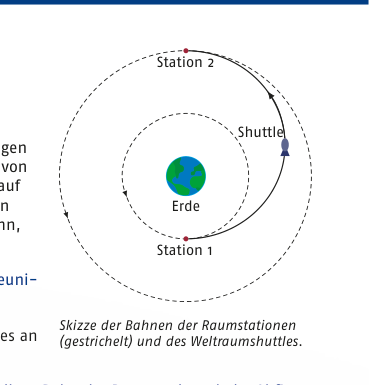 Orbits of Shuttle, Station 1 and 2 around the Earth
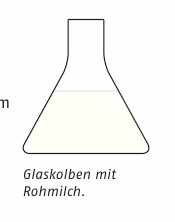 Glass flask with raw milk (Junior problem)
Topic: Gravitation, Newtonian Mechanics Metodi: Kepler’s Laws, Conservation of Energy, Newton’s Law of Gravitation Competenze: Mathematical Modeling, Physical Reasoning Objects: Satellite, Planet Fonte: Testo (PDF) — p.3
Problema 2 (10 punti) Space Taxi La società Space-Taxi opera un servizio di navetta spaziale. Oggi un shuttle è destinato a trasportare passeggeri e merci tra due stazioni spaziali in bassa orbita terrestre. Le due stazioni spaziali si muovono in circolazione Orbit con radii di 2,0 104 km e 4,0 104 km nello stesso piano intorno alla Terra. La navetta parte da la stazione spaziale più vicina alla Terra e accelera tangenzalmente verso l’orbita per un breve periodo di tempo. Come risultato, raggiunge L’orbita della seconda stazione spaziale lungo un percorso ellittico, come mostrato nella figura adiacente. # Quando arrivano # Lì, esegue una seconda manovra di accelerazione breve tangenziale all’orbita, per corrispondere alla velocità della stazione spaziale. Questo deve essere ben pianificato. a) Determine i cambiamenti di velocità della navetta richiesti a ciascuna delle due manovre di accelerazione. Il trasferimento descritto può funzionare solo se la seconda stazione spaziale è nella posizione giusta quando arriva la navetta. b) Calcolare quanto tempo ci vorrà per il viaggio dello shuttle. Determine l’angolo da cui la stazione spaziale 2 deve essere davanti alla stazione spaziale 1 in orbita al momento in cui la navetta parte, Così la navetta arriva esattamente alla stazione 2. La massa della Terra è di 6,0 1024 kg.
Orbit di Shuttle, Stazione 1 e 2 attorno alla Terra
*Folla di vetro con latte greggio (problema junior) *
Topic: Gravitation, Newtonian Mechanics Metodi: Kepler’s Laws, Conservation of Energy, Newton’s Law of Gravitation Competenze: Mathematical Modeling, Physical Reasoning Objects: Satellite, Planet Fonte: Testo (PDF) — p.3
Problem 2 (10 points) Space taxi The company Space-Taxi operates a space shuttle service. Today a shuttle is to transport passengers and cargo between two low-Earth orbit space stations. The two space stations move on circular orbits with radii of 2.0 104 km and 4.0 104 km in the same plane around the Earth. The shuttle starts from The space station is closer to Earth and accelerates tangentially to orbit for a short time. As a result it reaches The orbit of the second space station along an elliptical path, as shown in the adjacent figure. Once it arrives There, it performs a second short acceleration maneuver tangential to the orbit, In order to match the speed of the space station. This needs to be well planned. (a) Determine the speed changes of the shuttle required at each of the two acceleration maneuvers. The transfer described can only work if the second space station is at the right position when the shuttle arrives. (b) Calculate how long the shuttle’s journey takes. Determine the angle by which space station 2 must be ahead of space station 1 on its orbit at the moment the shuttle departs, So the shuttle arrives at station two exactly. The mass of the Earth is 6.0 1024 kg.
Orbits of Shuttle, Station 1 and 2 around the Earth
*Glass flask with raw milk (Junior problem) *
Topic: Gravitation, Newtonian Mechanics Metodi: Kepler’s Laws, Conservation of Energy, Newton’s Law of Gravitation Competenze: Mathematical Modeling, Physical Reasoning Objects: Satellite, Planet Fonte: Testo (PDF) — p.3
Problem 3 (10 points) Temperature-dependent resistor An NTC thermistor is a temperature-dependent electrical resistor that conducts current better at higher temperatures than at low ones. The left of the adjacent graphs shows the resistance R of a particular thermistor as a function of its temperature . In the right-hand graph the heat power P dissipated to the surroundings by the resistor at an ambient temperature of 22 ̊C is likewise shown as a function of the temperature of the resistor. Determine the maximum voltage that may be applied to the thermistor so that it does not heat up above 65 ̊C. Assume that the thermistor is initially at room temperature.
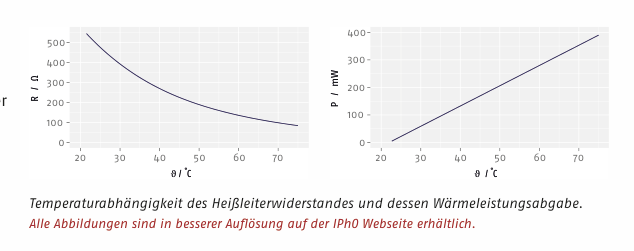 Resistance R and power P vs temperature NTC
Topic: Circuits, Thermodynamics Metodi: Physical Modeling, Experimental Data Analysis Competenze: Graph Linearization, Experimental Data Analysis, Physical Reasoning Objects: Resistor Fonte: Testo (PDF) — p.3
Problema 3 (10 punti) Resistore a temperatura dipendente Un termistor NTC è un termometro elettrico a temperatura dipendente resistore che conduce correnti meglio a temperature superiori a
- A basso livello. La sinistra delle grafiche adiacenti mostra il resistenza R di un particolare termistor come funzione di la temperatura . In grafico a destra il calore potenza P dissipated a il ambiente circostante un’atmosfera di 22 °C è mostrata come funzione di la temperatura della resistenza. Determina la tensione massima che può essere applicata al termistor in modo che non si riscaldino sopra 65 ̊C. Supponiamo che il termistor sia inizialmente a temperatura ambiente.
Resistance R and power P vs temperature NTC
Topic: Circuits, Thermodynamics Metodi: Physical Modeling, Experimental Data Analysis Competenze: Graph Linearization, Experimental Data Analysis, Physical Reasoning Objects: Resistor Fonte: Testo (PDF) — p.3
Problem 3 (10 points) Temperature-dependent resistor An NTC thermistor is a temperature-dependent electrical resistor that conducts current better at higher temperatures than At low ones. The left of the adjacent graphs shows the resistance R of a particular thermistor as a function of its temperature . In the right hand graph the heat power P dissipated to the surroundings by the resistor at an ambient temperature of 22 ̊C is similarly shown as a function of the temperature of the resistor. Determine the maximum voltage that may be applied to the thermistor so that it does not heat up above 65 ̊C. Assume that the thermistor is initially at room temperature.
The following table shows the results of the tests:
Topic: Circuits, Thermodynamics Metodi: Physical Modeling, Experimental Data Analysis Competenze: Graph Linearization, Experimental Data Analysis, Physical Reasoning Objects: Resistor Fonte: Testo (PDF) — p.3
Problem 4 (10 points) Fast as sound Sound propagates in a medium with a finite speed, the speed of sound. With a smartphone or computer and a few additional materials you can determine the speed of sound in air experimentally quite accurately. How does this work? First find out how you can use the smartphone or a computer to generate a sine tone with adjustable frequency and also record the sound pressure amplitude or the loudness of an acoustic signal 1. Then obtain a reasonably stable tube at least 50 cm long, for example made of cardboard. Close one end of the tube with a piece of cardboard or something similar. Now hold the microphone to the open end of the tube, generate a sine tone and record the acoustic signal measured by the microphone. a) Investigate qualitatively how the sound pressure amplitude measured at the open end of the tube changes with frequency and describe your observations. b) Theoretically derive a relationship between the observed characteristics of the sound pressure amplitude curve and the speed of sound in air. c) Use this to determine experimentally the speed of sound in air at room temperature. Describe how you proceeded, and estimate the uncertainty of your result. Finally, compare the speed of sound you determined with a literature value. Junior problem (10 points) Raw milk in a glass flask The glass flask shown alongside contains raw milk. If the milk is left at rest for some time, the cream of the milk separates out, while the remaining skimmed milk stays at the bottom. You may assume that the total volume of the liquid remains constant in the process. State whether the pressure at the bottom of the flask decreases, increases or stays the same. Justify your answer. Station 1 Station 2 Earth Shuttle 0 100 200 300 400 500 20 30 40 50 60 70 / ̊C R / Ω 0 100 200 300 400 20 30 40 50 60 70 / ̊C P / mW Sketch of the orbits of the space stations (dashed) and of the space shuttle. Temperature dependence of the thermistor and its heat power dissipation. All figures are available in higher resolution on the IPhO website. Glass flask with raw milk. 1 For both purposes there are a number of free smartphone apps or programs for the computer. For tone generation a program is needed that allows a manual or automatic variation of the frequency over time, a so-called sweep. On the IPhO website we have compiled some suitable apps and offer an audio file with a sweep for download. If it should not be possible to perform tone generation and recording simultaneously on one device, use a second device in parallel. scienceolympiaden.de Show your talent! Pupils If you are a pupil, the IPhO and the PhysicsOlympiad in Germany offer you diverse opportunities to engage intensively with physical questions, to experience physics as an exciting scientific discipline, to test your own limits and not least to meet interesting people. For the competition rounds there are learning materials and training problems that help you deepen your knowledge and problem-solving skills. At the seminars you meet many other physics-enthusiastic young people. Taking part is therefore worthwhile in every case and regardless of whether you make it into the higher rounds. What matters is to take part. Successfully completing the first round is already a special achievement and a real distinction. So, take heart! Teachers As a teacher you can offer pupils who are particularly capable or interested in physics a challenge with the problems of the Physics Olympiad and encourage them toward a deeper engagement with physical topics. The PhysicsOlympiad can thus serve as an instrument of individual support. In particular the problems of the 1st round are suitable not only for the best in a class.
With diverse offerings the PhysicsOlympiad wants to address interested young people broadly and lastingly inspire them for the natural sciences. To this end there are support offerings such as the Orpheus seminars and the accompanying materials for the 1st round, with which we want to support you in introducing topics of the PhysicsOlympiad. So do encourage your pupils to take part; for only those who do not take part can lose. Schools Schools can sharpen their profile by encouraging participation in competitions and use these, in the sense of an enrichment, as a complement to the school’s offerings. Competitions thereby offer diverse, differentiated learning environments for participating pupils. In the area of STEM subjects the olympiads, at least in the later rounds, represent a competition aimed at especially motivated and high-achieving young people. Nevertheless, participation also in the entry rounds is not only worthwhile, but can also contribute to a lasting motivation for STEM topics. Offerings such as the Orpheus seminars allow the support of a large number of participants. In many federal states, by the way, participation can be recognized as a special learning achievement or subject/seminar paper of your pupils for the Abitur. Interested in more than physics? The IPhO is one of the six nationwide science pupil competitions organized by the IPN — the ScienceOlympiads. Besides the selection competitions for the international olympiads in Biology (IBO), Chemistry (IChO) and Physics (IPhO), these include the International JuniorScienceOlympiad (IJSO), the European ScienceOlympiad (EUSO) as well as the Federal Environment Competition (BUW). Together they address pupils from the beginning of secondary school to after the end of school years and, through close networking, offer the possibility of a lasting promotion of scientific abilities and interests. Further information can be found at www.scienceolympiaden.de. Many good reasons to take part in the PhysicsOlympiad Dear pupils, dear teachers, dear parents, Alexander von Humboldt was convinced that ideas and knowledge can only be of use “when they come alive in many minds”. As in Humboldt’s time, today too it is necessary to awaken and foster early in young people the fascination that emanates from science and research. We know that precisely the findings of the natural sciences will significantly shape our future and are the foundation of social progress. More than ever a scientific understanding is necessary in order to also correctly assess the consequences of scientific and technical progress and to find answers to the great questions of the future. The Federal Ministry of Education and Research has for many years been engaged in numerous ways to inspire young people for the world of the natural sciences. We support, for example, various pupil and youth competitions on STEM topics — mathematics, computer science, natural sciences and technology. The science competitions organized by the Leibniz Institute for Science and Mathematics Education, the ScienceOlympiads and the Federal Environment Competition, are part of these. Every year around 10,000 pupils nationwide from the 5th grade register. For exciting and tricky problems offer the opportunity to challenge oneself beyond everyday school life, to discover one’s own talents and to develop further
Topic: Oscillations & Waves, Fluid Mechanics Metodi: Wave Equation, Superposition Principle, Hydrostatic Equilibrium Competenze: Experimental Data Analysis, Estimation & Approximation, Physical Reasoning Objects: Tube, Container Fonte: Testo (PDF) — p.3
Problema 4 (10 punti) Quasi come il suono Il suono si propaga in un mezzo con una velocità finita, la velocità del suono. Con uno smartphone o computer e In questo modo si può determinare la velocità del suono in aria sperimentalmente con molta precisione. Come funziona? In primo luogo Come utilizzare lo smartphone o un computer per generare un tono seno con frequenza regolabile e anche registrare l’ampiezza di pressione sonora o la larghezza di un segnale acustico 1. Poi ottenere un ragionevolmente tubo stabile di almeno 50 cm di lunghezza, per esempio fatto di cartone. Chiudere una fine del tubo con un pezzo di cartone o qualcosa di simile. Ora tenete il microfono aperto fine del tubo, generare un tono seno e registrare il segnale acustico misurato dal microfono. a) Investigare qualitativamente come l’ampiezza di pressione sonora misurata all’aperto fine del tubo cambia con frequenza e descrivere il tuo
- le osservazioni. b) derivare in teoria una relazione tra le caratteristiche osservate della curva di amplitudine della pressione sonora e la velocità del suono in
- Non è vero. c) Usare questo per determinare sperimentalmente la velocità del suono in aria a temperatura ambiente. Descrivere come hai proceduto, e stimare il l’incertezza del tuo risultato. Finalmente, confrontare la velocità del suono determinata con un valore letterario. Problema minore (10 punti) latte crudo in un bicchiere di vetro Il flacone di vetro mostrato al fianco contiene latte crudo. Se il latte è lasciato a riposo per un po’, la crema del latte si separa fuori, mentre il restante latte scremato rimane in fondo. Si può supporre che il volume totale del liquido rimane costante nel processo. Indicare se la pressione al fondo del flacone diminuisce, aumenta o rimane la stessa. Giustifica la tua risposta. Stazione 1 Stazione 2 Terra Navetta 0 100 200 300 400 500 20 30 40 50 60 70 / ̊C R / Ω 0 100 200 300 400 20 30 40 50 60 70 / ̊C P / mW Sketch of the orbits of the space stations (dashed) e dello shuttle spaziale. Temperatura di dipendenza del termistor e sua dissipazione di potenza termico. Tutti i dati sono disponibili in alta risoluzione sul sito IPhO. Fossilo di vetro con latte crudo. 1 Per entrambi i fini ci sono un certo numero di app o programmi gratuiti per smartphone per il computer. Per tone generation a programma che consente una variazione manuale o automatica della frequenza nel tempo, un cosiddetto sweep. Il Sito IPhO abbiamo compilato alcune applicazioni adatte e offerto un file audio con un sweep per il download. Se dovrebbe non essere possibile eseguire la produzione e la registrazione di tono simultaneamente su un dispositivo, utilizzare un secondo dispositivo in parallelo. sciencesolymppiaden.de Mostra il tuo talento! Alunni Se sei un allievo, L’IPhO e l’Olimpico di Fisica in Germania offrono diversi tipi di opportunità di impegnarsi intensamente con le domande fisiche, per sperimentare la fisica come un eccitante disciplina scientifica, per testare i vostri limiti e Non per niente per incontrare persone interessanti. Per i round di competizione ci sono materiali di apprendimento e problemi di formazione che ti aiuteranno a approfondire le tue conoscenze e capacità di risoluzione dei problemi. Ai seminari si incontrano molti altri Giovani entusiasti della fisica. Prendendo Il part is therefore worthwhile in every caso e indipendentemente dal fatto che tu faccia
- E’ in un giro superiore. Cosa Le cose che interessano sono le parti. Successfully completando il primo Round è già un’impresa speciale e una vera distinzione. Allora, prendi il cuore! Docenti Come insegnante puoi offer pupils who are particularly capable o interessato a fisica a challenge con i problemi della fisica L’Olimpico e incoraggiarli verso un profondo coinvolgimento con argomenti fisici. Il PhysicsOlympiad può così Serve come strumento di sostegno individuale. In particolare, i problemi della 1st round are suitable not only for Il migliore di una classe.
Con diverse offerte PhysicsOlympiad vuole rivolgersi a giovani interessati La gente in modo generale e duraturo ispirare loro le scienze naturali. Per questo ci sono offerte di supporto come i seminari di Orpheus e i materiali che accompagnano il primo round, con cui vogliamo supportarti nell’introduzione
- E’ un’occasione per i nostri studenti. Quindi incoraggi i tuoi alunni per partecipare; solo coloro che non partecipano possono perdere. Scuole Le scuole possono aumentare il loro profilo incoraggiando la partecipazione a competizioni e utilizzare questi, nel senso che di un’enrichment, come complemento delle offerte della scuola. Le competizioni offrono così diverse, ambienti di apprendimento differenziati per gli studenti partecipanti. In questo settore, il settore STEM le Olimpiadi, almeno in seguito I round, represent a competition aimed at especially motivated e giovani di alto livello. Tuttavia, La partecipazione ai round di entrata non è solo utile, ma è anche importante. può anche contribuire a una duratura motivazione per i temi STEM. Offerte come i seminari di Orpheus consent the support of a Numero di partecipanti. In molti stati federali, comunque, Il documento di partecipazione può essere riconosciuto come un particolare risultato di apprendimento o come un documento di tema/seminario del vostro corso. Alcune delle quali sono state prese in considerazione. Interessato in più della fisica? L’IPhO è uno dei sei concorsi nazionali di scienza organizzati dall’IPN Scienza olimpiadi. Oltre alle competizioni di selezione per il I campioni di biologia (IBO), chimica (IChO) e fisica (IPhO), questi includono La Commissione europea ha adottato una proposta di regolamento (UE) n. Competenza (BUW). Insieme si indirizzano Pupils from the beginning (Studenti dall’inizio) di scuola secondaria all’anno successivo di anni scolastici e, attraverso close La rete, offrono la possibilità di La promozione duratura delle capacità e degli interessi scientifici. Ulteriori informazioni sono disponibili a: www.scienceolympiaden.de Molti buoni motivi per partecipare al PhysicsOlympiad Cari studenti, cari insegnanti, Cari genitori, Alexander von Humboldt era convinto che le idee e le conoscenze possono essere utilizzate solo quando vengono in vita in molti sensi”. Come in tempo di Humboldt, oggi anche è necessario svegliarsi e far crescere presto in giovani, il fascino che deriva dalla scienza e dalla ricerca. Sappiamo che proprio i risultati delle scienze naturali influiranno in modo significativo sul nostro futuro e sono la base del progresso sociale. Più che mai Un’intesa scientifica è necessaria per correctly assess the consequences of scientific and technical progress e per trovare risposte al grande
- domande del futuro. Il Ministero federale dell’istruzione e della ricerca è stato impegnato per molti anni in numerosi modi per ispirare i giovani “People for the World of the Natural Sciences”. Supportamo, per esempio, varie competizioni di studenti e giovani su argomenti STEM: Scienze naturali e tecnologia. Le competizioni scientifiche organizzate dall’Istituto Leibniz per l’istruzione scientifica e matematica, Le Olimpiadi di Scienza e il concorso federale per l’ambiente sono parte di questi. Ogni anno, circa 10.000 studenti in tutto il paese, dal registro della quinta elementare. Per eccitante e I problemi difficili offrono l’opportunità di sfidare se stessi oltre la vita scolastica quotidiana, per scoprire i propri talenti e per sviluppare ulteriormente
Topic: Oscillations & Waves, Fluid Mechanics Metodi: Wave Equation, Superposition Principle, Hydrostatic Equilibrium Competenze: Experimental Data Analysis, Estimation & Approximation, Physical Reasoning Objects: Tube, Container Fonte: Testo (PDF) — p.3
Problem 4 (10 points) Almost as sound Sound propagates in a medium with a finite speed, the speed of sound. With a smartphone or computer and You can determine the speed of sound in air experimentally quite accurately. How does this work? First find out how you can use the smartphone or a computer to generate a sine tone with adjustable frequency and also record the sound pressure amplitude or the loudness of an acoustic signal 1. Then obtain a reasonably stable tube at least 50 cm long, for example made of cardboard. Close one end of the tube with a piece of cardboard or something similar. Now hold the microphone to the open end of the tube, generate a sine tone and record the acoustic signal measured by the microphone. (a) Qualitatively investigate how the sound pressure amplitude measured at the open end of the tube changes with frequency and describe your The Commission has already taken a number of measures. (b) Theoretically derive a relationship between the observed characteristics of the sound pressure amplitude curve and the speed of sound in the Air. c) Use this to experimentally determine the speed of sound in air at room temperature. Describe how you proceeded, and estimate the uncertainty of your result. Finally, compare the speed of sound you determined with a literature value. The first is the ‘Junior Problem’ (10 points). Raw milk in a glass bottle The glass bottle shown alongside contains raw milk. If the milk is left at rest for some time, the cream of the milk separates out, while the remaining skimmed milk stays at the bottom. You can assume that the total volume of the liquid remains constant in the process. State whether the pressure at the bottom of the flask decreases, increases or remains the same. Justify your answer. Station 1 Station 2 Earth Shuttle 0 100 200 300 400 500 20 30 40 50 60 70 / ̊C R / Ω 0 100 200 300 400 20 30 40 50 60 70 / ̊C P / mW Sketch of the orbits of the space stations (dashed) and of the space shuttle. Temperature dependence of the thermistor and its heat power dissipation. All figures are available in higher resolution on the IPhO website. Glass bottle with raw milk. 1 For both purposes there are a number of free smartphone apps or programs for the computer. For tone generation a program is needed that allows a manual or automatic variation of the frequency over time, a so-called sweep. On the IPhO website we have compiled some suitable apps and offer an audio file with a sweep for download. If it should not be possible to perform tone generation and recording simultaneously on one device, use a second device in parallel. The European Commission has also adopted a proposal for a directive on the protection of the environment. Show your talent! The following is a list of the activities: If you are a student, The IPhO and the PhysicsOlympic in Germany offer you a variety of opportunities to engage intensively with Physical questions, to experience physics as an exciting scientific discipline, to test your own limits and Not least to meet interesting people. For the competition rounds there are learning materials and training problems that help you deepen your knowledge and problem-solving skills. At the seminars you meet many others Physics-enthusiastic young people. Taking Part is therefore worthwhile in every case and regardless of whether you make It’s into the higher rounds. What matters is to take part. Successfully completing the first Round is already a special achievement and a real distinction. So, take heart! Teachers As a teacher you can offer pupils who are particularly capable or interested in physics a challenge with the problems of the physics The Olympics and encourage them towards a deeper Engagement with physical topics. The PhysicsOlympiad can thus serve as an instrument of individual support. In particular, the problems of the 1st round are suitable not only for The best in a class.
With various offerings the PhysicsOlympiad wants to address interested young people broadly and lastingly inspire them for the natural sciences. To this end there are support offerings such as the Orpheus seminars and the accompanying materials for the 1st round, with which we want to support you in introducing The first is the topic of the PhysicsOlympic. So do encourage your pupils To take part; for only those who do not take part can lose. Schools Schools can sharpen their profile by encouraging participation in competitions and use these, in the sense The school’s contribution to the development of the school is a complement to the school’s offerings. Competitions thus offer a variety of The aim of the project is to create a differentiated learning environment for participating pupils. In the area of STEM subjects the Olympic Games, at least in the later rounds, represent a competition aimed at especially motivated and high achieving young people. Nevertheless, Participation in the entry rounds is not only worthwhile, but also can also contribute to a lasting The aim of this study is to provide a framework for the study of the impact of STEM on the environment. Offerings such as the Orpheus seminars allow the support of a large number of participants. In many federal states, by the way, Participation can be recognized as a special learning achievement or subject/seminar paper of your pupils for the Abitur. Interested in more than physics? The IPhO is one of the six national science pupil competitions organised by the IPN the The science olympics. In addition to the selection competitions for the international Olympic Games in Biology (IBO), Chemistry (IChO) and Physics (IPhO), these include The European Science Olympiad (EUSO) and the Federal Environment are also participating in the International Junior Science Olympiad (IJSO). Competition (BUW). Together they address pupils from the beginning of secondary school to after the end of school years and, through close networking, offer the possibility of a The Commission shall, by means of implementing acts, adopt delegated acts in accordance with the opinion of the Committee on Budgets. Further information can be found at The Commission has also adopted a proposal for a regulation on the implementation of the European Community’s programme for the prevention of pollution caused by pollution. Many good reasons to take part in the PhysicsOlympiad Dear pupils, dear teachers, Dear parents, Alexander von Humboldt was convinced that ideas and knowledge can only be of use “when they come alive”. in many minds”. As in Humboldt’s time, today too it is necessary to awaken and foster early in young people the fascination that emanates from science and research. We know that precisely the findings of the natural sciences will shape our future significantly and are the foundation of social progress. More than ever A scientific understanding is necessary in order to correctly assess the consequences of scientific and technical progress And to find answers to the great Questions of the future. The Federal Ministry of Education and Research has for many years been engaged in numerous ways to inspire young people People for the World of Natural Sciences. We support, for example, various pupil and youth competitions on STEM topics mathematics, computer science, The Commission’s proposal for a directive on the protection of workers from the risks of the environment. The science competitions organised by the Leibniz Institute for science and mathematics education, The ScienceOlympics and the Federal Environment Competition are part of these. Every year, about 10,000 students nationwide from the 5th grade register. For exciting and Tricky problems offer the opportunity to challenge oneself beyond everyday school life, to discover one’s own talents and to develop further
Topic: Oscillations & Waves, Fluid Mechanics Metodi: Wave Equation, Superposition Principle, Hydrostatic Equilibrium Competenze: Experimental Data Analysis, Estimation & Approximation, Physical Reasoning Objects: Tube, Container Fonte: Testo (PDF) — p.3